
Build a More Resilient Supply Chain
Assess real tariff exposure, choose the right regions, and transition suppliers without breaking what already works.
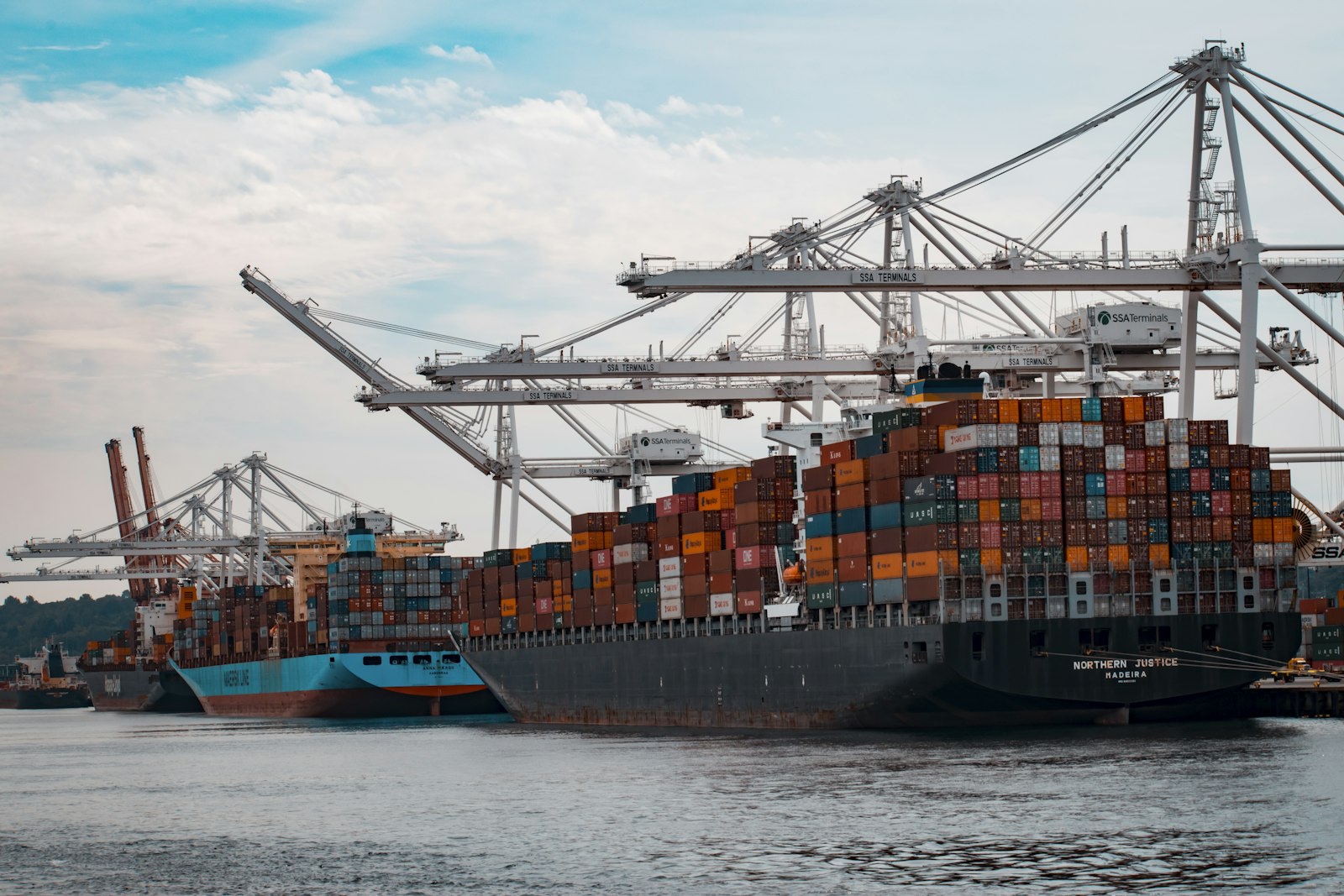
Factory diversification and tariff strategy is a structured way to reduce supply chain concentration risk without freezing production. Sourcify assesses your footprint, models tariff and landed-cost tradeoffs by product, and executes transitions through relationship-based factory partners—so you diversify strategically, not by guessing.
- Assess concentration and tariff risk before you move production
- Choose regions with real landed-cost and relationship context
- Transition with parallel production so current supply keeps running
Who this is for
Brands exposed to supply chain risk—over-indexed on China or a single supplier, facing tariff exposure on key products, needing faster lead times through nearshoring, or wanting backup suppliers without disrupting current production.
How it works
Supply chain assessment
We audit your current manufacturing footprint, identify concentration risks, and model tariff exposure across your product line where relevant.
Strategy development
We build a diversification roadmap—which products to move, which regions make sense, and what the real cost and timeline tradeoffs look like.
Supplier identification
We tap relationship-based factory partners across target regions to identify qualified manufacturing fits for your products.
Managed transition
We manage parallel production during transitions so your current supply chain keeps running while new supplier relationships are validated.


What you get
Regional fit varies. Explore manufacturing regions for China, India, Vietnam, Mexico, North America, and emerging markets—with careful vetting, not directory browsing.
- Current supply chain assessment and risk analysis
- Regional sourcing strategy development
- China+1 diversification planning and execution
- USMCA and nearshoring opportunity analysis
- Multi-factory risk distribution planning
- Tariff exposure modeling and reduction strategy
- Supplier transition management with parallel production
Frequently Asked Questions
How do I know if my business has too much supply chain risk from China?
If more than 70% of your production is concentrated in one region or one supplier, you have meaningful supply chain risk. We recommend a diversification assessment for brands with significant China exposure—especially with tariff volatility. The assessment models tariff exposure by HTS code and identifies which products are most vulnerable to disruption.
Will diversifying my supply chain away from China increase my manufacturing costs?
Not necessarily—and sometimes it reduces them. When you factor in tariff savings, landed costs in Vietnam or India often close the gap with China. We model real landed cost—factory price, freight, and duties—for your specific products before recommending changes. We do not recommend diversification if the numbers do not support it.
How long does it take to transition production from one country to another?
It depends on the product and region. Simple transitions with existing factory relationships can happen in three to four months. More complex transitions involving new regions or custom tooling can take six to twelve months. We run parallel production during transitions so your current supply chain keeps running while new suppliers are validated—you should not have a supply gap.
Does Sourcify help with USMCA qualification for Mexico manufacturing?
Yes. We assess whether your products qualify for USMCA benefits through Mexico or North America manufacturing, model the cost impact of qualification, and help you execute the transition. USMCA has specific rules of origin and documentation requirements—we handle that complexity so you do not have to.
Do I have to move all my production, or can I just diversify some of it?
Most brands do not need to move everything—and trying to usually creates more problems than it solves. A common approach is keeping core high-volume production in China while moving tariff-exposed or risk-concentrated products elsewhere. We help you build the right mix—which products to move, to which regions, and on what timeline.
What if my current Chinese factories are actually working well for us?
Then keep them. Good factory relationships are hard to build and worth protecting. Diversification does not mean abandoning what works—it means building redundancy so you are not fully exposed if something goes wrong. We help you add backup suppliers without disrupting primary production.
Build Better Manufacturing Relationships
Whether you need a sourcing partner, operational support, factory diversification, or help launching new product categories — Sourcify helps brands operate manufacturing with confidence.