


Athletic and performance apparel
Compression wear, base layers, jerseys, and sport-specific garments engineered for stretch recovery, moisture management, and durability.

Trusted factory relationships across sporting equipment, outdoor gear, athletic apparel, and accessories—with performance standards and production oversight.
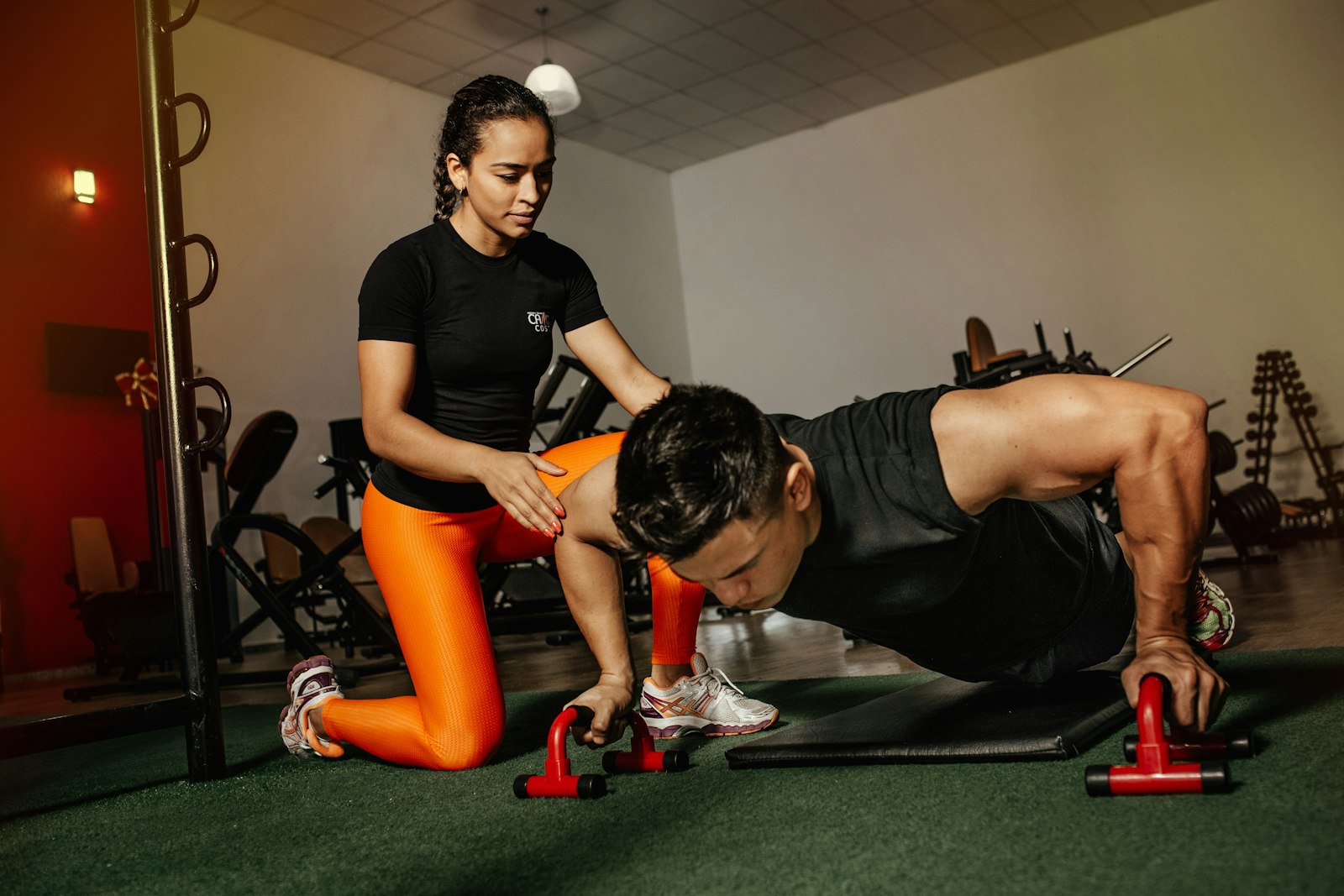
Sporting goods manufacturing is production of athletic apparel, outdoor gear, fitness accessories, protective equipment, and sport-specific hard goods built for mechanical stress and repeated performance use. Sourcify matches brands to vetted factories across textiles, composites, and molding—with local teams overseeing durability testing so products hold up in real conditions.
Sporting goods and outdoor brands launching or scaling performance apparel, bags and gear carriers, fitness equipment and accessories, outdoor and adventure gear, protective padding, sport-specific hard goods, and water sports products. A strong fit if you need ASTM or CE planning, load and abrasion testing, or help after field failures, material swaps, certification misses, or inconsistent batches.
We map product type, performance requirements, compliance markets, and volumes, then match factories with category-specific capability and testing maturity.
Samples are evaluated for construction, materials, and load or abrasion expectations before you approve bulk—especially for protective and load-bearing gear.
Local teams inspect hardware, stitching, molding, and composite quality during production and pre-shipment, coordinating third-party certification testing when required.
Compression wear, base layers, jerseys, and sport-specific garments engineered for stretch recovery, moisture management, and durability.
Duffels, hydration packs, and sport carriers with high-denier fabrics, reinforced stitching, and load-bearing hardware.
Resistance bands, foam rollers, yoga mats, jump ropes, and training tools that must hold up under repeated stress.
Camping, hiking, trekking, and hydration products built for weather resistance and load-bearing performance.
Helmets, pads, guards, and accessories requiring impact-absorbing materials and sport-specific safety standards.
Rackets, bats, boards, frames, wetsuits, rash guards, and aquatic products needing precision manufacturing or bonded performance construction.
China leads complex hard goods, composites, and high-volume multi-material runs. Vietnam is strong for apparel, footwear, bags, and soft goods. Taiwan excels in cycling components and high-performance composites. India suits yoga, leather, cricket, and natural-material categories. Mexico supports nearshoring for metal goods and assembly. We help brands avoid weak materials, poor load-bearing construction, silent material substitution, inadequate performance testing, ASTM/CE certification gaps, and batch-to-batch inconsistency that undermines safety and brand trust.
Requirements vary by category. Protective equipment such as helmets, pads, and guards often needs ASTM standards specific to the sport, with CE/EN equivalents for the EU. Children's sporting goods fall under CPSIA rules including lead limits, phthalate restrictions, and tracking labels. Many general categories have ASTM standards that major retailers require even when federal rules are limited. Fitness equipment increasingly references ASTM F3096. We identify requirements early and match factories experienced with those standards.
China offers the broadest capabilities for hard goods, composites, injection-molded equipment, and multi-material products. Vietnam is strong for sporting apparel, footwear, bags, and soft goods. Taiwan is world-class for cycling components, high-performance composites, and precision equipment. India excels in yoga accessories, leather sporting goods, cricket equipment, and natural-material products. Mexico supports nearshoring for metal goods and assembly where faster lead times matter.
Our sporting goods quality process includes load testing for bags and harnesses, abrasion testing for performance fabrics, hardware testing under specified load, material verification against approved specs, and seam strength testing for sewn goods. For ASTM or CE certification requirements, we coordinate third-party lab testing and documentation as part of production.
Our minimum is $8,000 in factory value. Typical ranges are 300–500 units for athletic apparel, bags, and backpacks; 500–1,000 units for fitness accessories and many hard goods; and 500–1,000 units for protective equipment where testing and tooling raise the bar. Custom composites or specialized molds add upfront tooling investment on top of production minimums.
Yes. Many brands need technical apparel and bags from textile factories plus equipment from hard goods manufacturers. Our network covers performance fabrics and cut-and-sew construction as well as injection molding, composite layup, and precision metal fabrication—so you get consistent oversight across the full line through one sourcing partner.
The issues we see most often are material substitution that quietly reduces performance, load-bearing failures in bags and harnesses, batch-to-batch construction inconsistency, certification gaps when testing was not planned into the timeline, and products that pass visual inspection but fail under real use. In-process and pre-shipment inspections specifically target these failure modes.
Whether you need a sourcing partner, operational support, factory diversification, or help launching new product categories — Sourcify helps brands operate manufacturing with confidence.