

Manufacturing in India

Textiles, home goods, wellness, and supplements—backed by Mumbai oversight and factories matched to the right Indian manufacturing hubs.

Manufacturing in India means sourcing from category strengths in textiles, home goods, wellness, and supplements—often with competitive labor costs and lower US tariff exposure than China for many products. Sourcify supports India production through Mumbai-based oversight, hub-specific factory matching, and realistic landed-cost and timeline planning.

  • Fits textiles, home goods, wellness, and supplements—especially China+1 diversification
  • Mumbai-based oversight across key Indian manufacturing hubs
  • Hub-matched factory relationships—not a generic supplier list

Who this is for

Brands in textiles, home, wellness, and supplements—especially those diversifying tariff-sensitive or natural-material SKUs away from China and building multi-region supply chains where India is a strategic addition.

  • Brands in apparel, home textiles, artisan home goods, beauty, supplements, jewelry, or leather
  • Teams diversifying tariff-sensitive or natural-material SKUs away from China
  • Operators who want stronger English-language factory communication than most Asian alternatives
  • Companies building resilient multi-region supply chains where India is a strategic addition, not a total China replacement
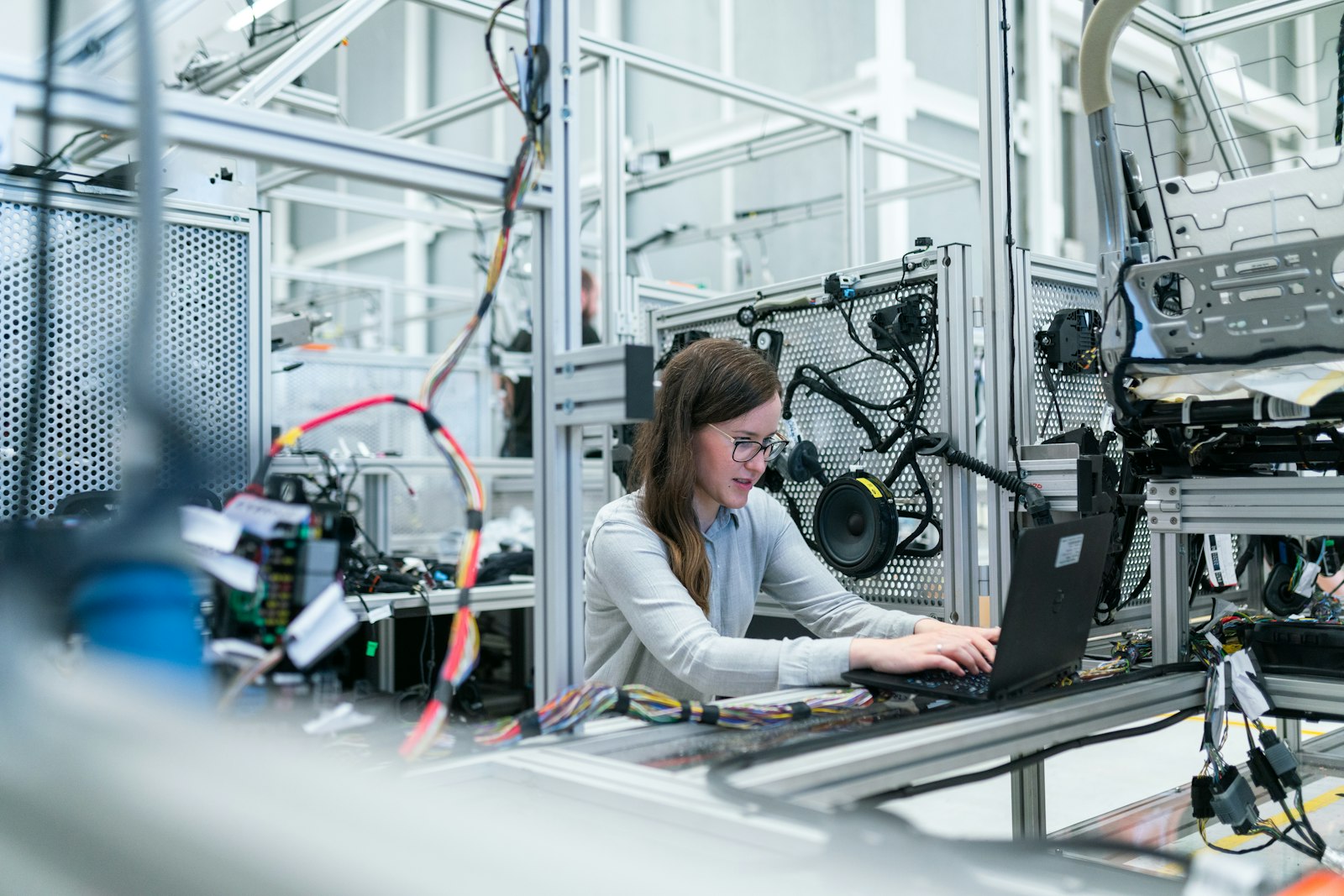
Manufacturing team collaborating on the factory floor

What Sourcify handles

  • Mumbai hub oversight across key Indian manufacturing regions
  • Factory matching for textiles, home, wellness, supplements, jewelry, and leather
  • QC visits, production communication, and escalation when quality varies
  • Realistic timeline and logistics modeling for India-specific freight and inland complexity
  • China+1 diversification planning versus China, Vietnam, and other regions
  • Guidance on where India is strong—and honest pushback where it is not

When this region fits

India is becoming a major sourcing destination through competitive labor, Make in India / PLI investment, and relatively favorable trade and geopolitical positioning versus China for US-bound brands. It usually fits when:

  • Products use natural fibers, artisan construction, or Ayurvedic / botanical heritage
  • You need an established China+1 path for textiles, home, wellness, or supplements
  • Category expertise already lives in Indian hubs (textiles, apparel, jewelry, leather, nutraceuticals)
  • Communication clarity and English proficiency are operational priorities
  • Lower tariff exposure versus China improves landed cost after full DDP modeling
  • You want redundancy alongside China without assuming India can do everything China does

What we source from India

  • Apparel & textiles — Cotton and natural fibers, hand-woven and artisan textiles, home linens, embroidered apparel, organic fabrics, private label
  • Home goods & décor — Handcrafted accessories, wood and metal décor, ceramics, woven storage, artisan home goods
  • Beauty & wellness — Ayurvedic and natural skincare, essential oils, herbal formulations, wellness accessories
  • Supplements & nutraceuticals — Herbal and botanical products, Ayurvedic formulations, GMP contract manufacturing, ingredient sourcing
  • Jewelry & accessories — Gold, silver, gemstone, and fashion jewelry; custom manufacturing
  • Leather & craft goods — Bags, handcrafted leather, woven accessories, traditional craft items

Key considerations in 2026

  • Logistics complexity — Improving but still less efficient than China on ports, inland connectivity, and freight predictability
  • Hub diversity — Maharashtra, Gujarat, Tamil Nadu, and other states specialize differently; “India” is not one factory type
  • Communication advantage — Strong English across business reduces friction; factory technical detail still needs local follow-up
  • Growing infrastructure — Industrial zones and logistics are improving; early movers can lock preferred supplier relationships

Typical ocean freight to the USA is about 4–6 weeks. Total program timelines often land in the 10–18 week range from commitment to delivery for standard categories.

Frequently Asked Questions

What product categories is India best known for manufacturing?

India has depth in textiles and apparel (especially natural fibers, artisan and embroidered goods), home goods and décor, Ayurvedic and natural beauty, herbal supplements and nutraceuticals, jewelry, and leather goods. Strength is concentrated where natural materials, artisan construction, or pharmaceutical heritage matter—not as a blanket substitute for every China category.

How does manufacturing in India compare to China on cost and quality?

Labor costs in India are generally lower than China, which helps labor-intensive apparel and home goods. Total landed cost still depends on logistics, lead times, duties, and efficiency—India is not always cheaper on a DDP basis. Quality varies more widely than in China’s mature ecosystem, so factory selection and ongoing oversight matter more. Sourcify’s vetted India network focuses on consistent, reliable manufacturers.

How long does it take to receive goods manufactured in India?

Sampling is often 3–5 weeks; production commonly 4–8 weeks depending on complexity; ocean freight to the USA is typically 4–6 weeks (sometimes slightly longer routing than China). Total from factory commitment to delivered goods is often 10–18 weeks for most categories, longer with compliance testing. We build India-specific timelines that account for logistics variability.

What are the main challenges with manufacturing in India?

Plan for logistics complexity (ports and inland connectivity lag China), wider quality variation outside major hubs, factory-level technical communication that needs follow-up, and weaker infrastructure outside Maharashtra, Gujarat, and Tamil Nadu. Matching your product to the right regional hub—and using Mumbai-based oversight—reduces these risks.

Is India a good alternative to China for supply chain diversification?

For textiles, home goods, wellness, supplements, and jewelry—yes. India is among the most established China+1 destinations for those categories, with workforce scale and trade relationships that support meaningful volume. For products that need China’s broad component chains, advanced electronics, or dense multi-supplier ecosystems, India is usually a complement, not a full replacement.

Build Better Manufacturing Relationships

Whether you need a sourcing partner, operational support, factory diversification, or help launching new product categories — Sourcify helps brands operate manufacturing with confidence.