
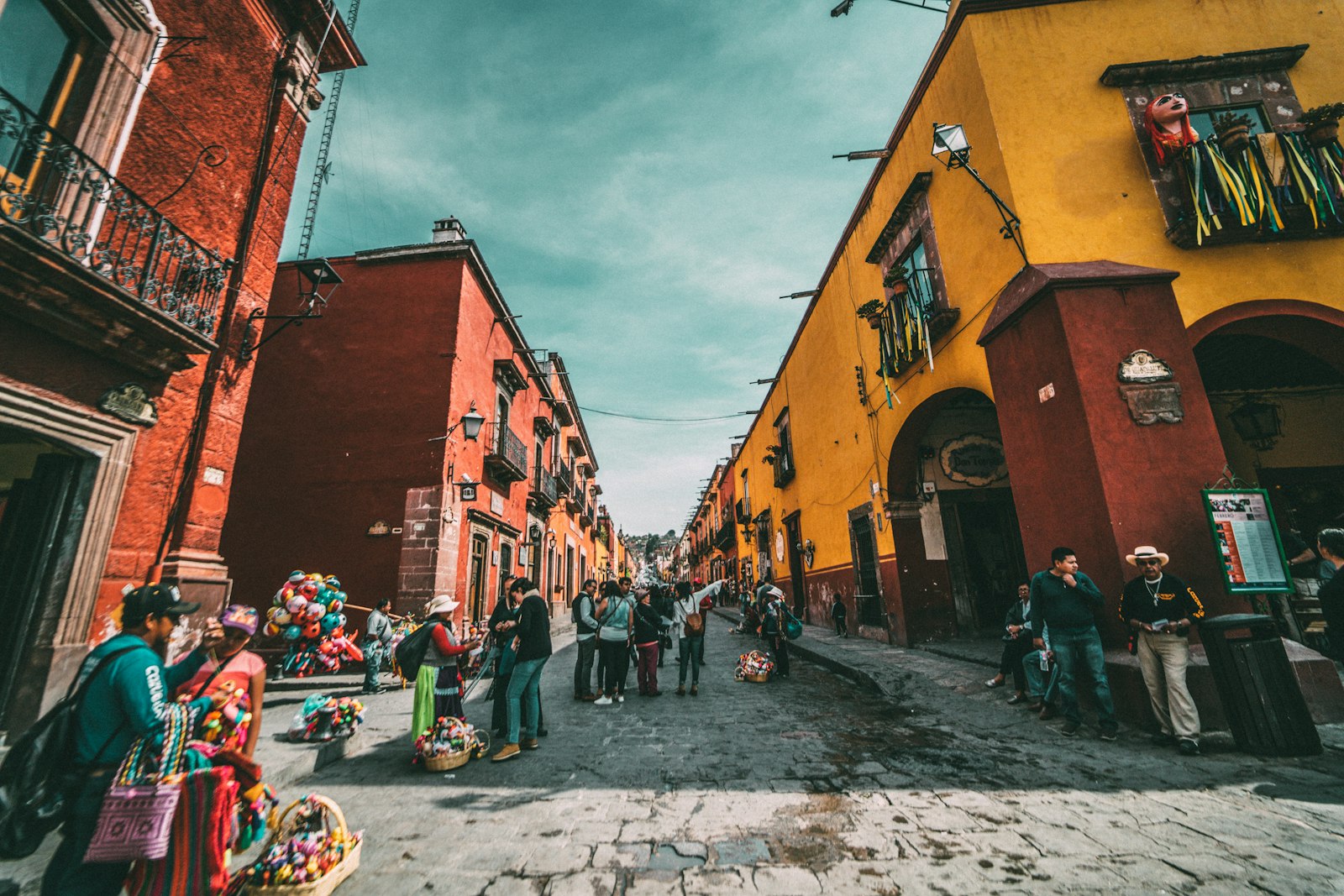
Manufacturing in Mexico

The leading nearshoring option for US brands—faster lead times, USMCA advantages, and direct road and rail access to North American markets.

Manufacturing in Mexico means nearshoring production next door to the United States—with USMCA trade benefits, competitive labor versus US rates, and truck or rail transit measured in days instead of ocean weeks. Sourcify helps US-bound brands evaluate and operate Mexico manufacturing through partner networks and landed-cost modeling.

  • Fits brands prioritizing nearshore speed, USMCA benefits, or lower Asia exposure
  • Partner coverage in Monterrey, Guadalajara, Mexico City, and border zones
  • Guided factory relationships with USMCA and landed-cost context—not a marketplace browse

Who this is for

Brands prioritizing speed to market, USMCA duty advantages, or lower China exposure—especially those building a nearshore-plus-offshore mix with Mexico for fast turns and Asia for high-volume cost-sensitive SKUs.

  • Brands prioritizing speed to market, fast replenishment, or lower inventory risk
  • Teams reducing China tariff and geopolitical exposure with North American production
  • Operators whose products can qualify for USMCA duty advantages
  • Companies building a nearshore-plus-offshore mix—Mexico for fast turns, Asia for high-volume cost-sensitive SKUs
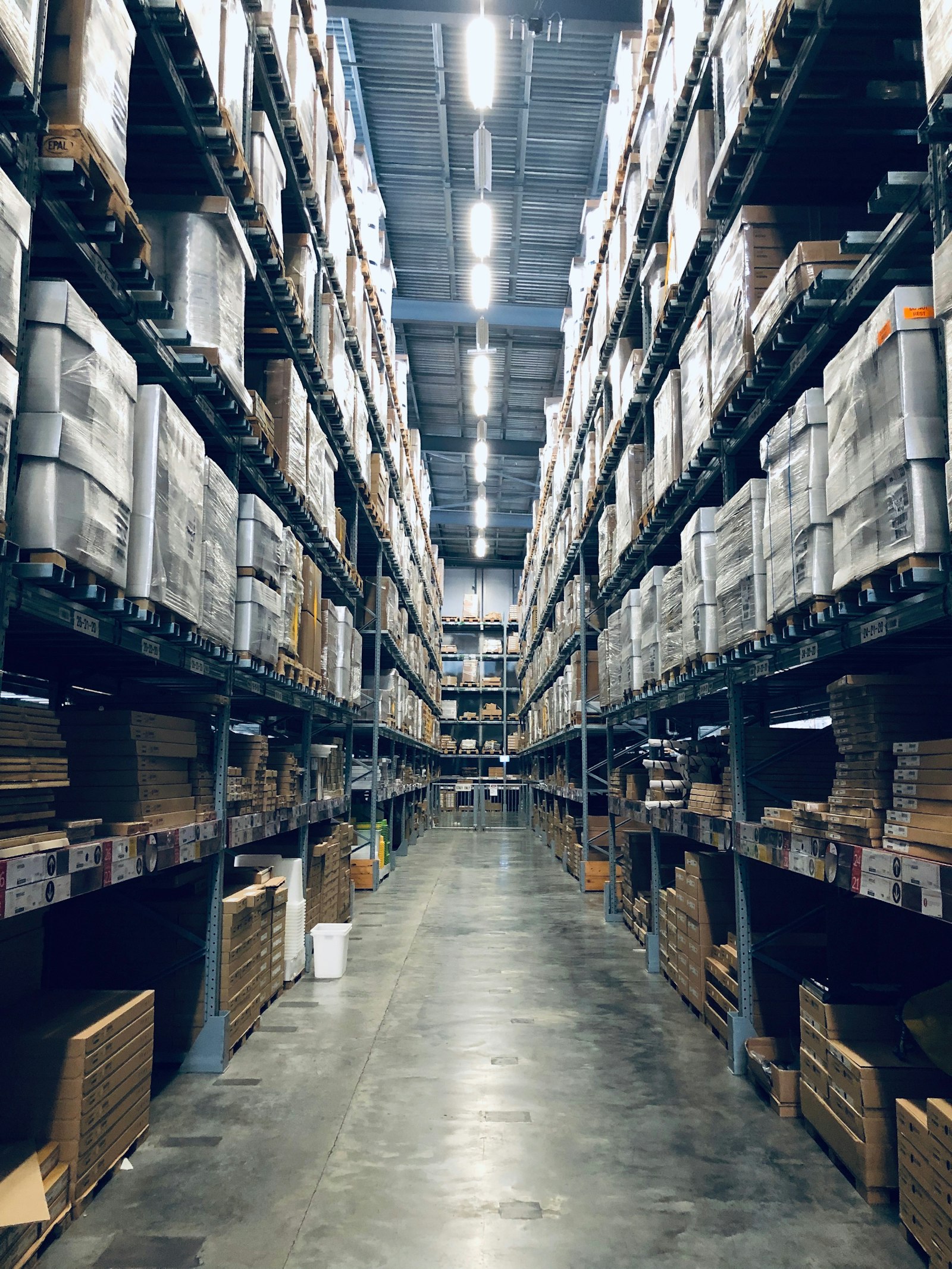
Logistics and warehouse operations for nearshore distribution

What Sourcify handles

  • Partner coverage across Monterrey, Guadalajara, Mexico City, and border manufacturing zones
  • Factory matching for categories where Mexico has real depth
  • USMCA rules-of-origin assessment and documentation guidance
  • Landed-cost comparisons versus China, Vietnam, and North America
  • Logistics planning that uses proximity for faster replenishment and lower inventory
  • QC coordination and production oversight through local partners

When this region fits

Mexico is America’s top nearshoring destination and a leading US import source, with 3,000+ active maquiladoras and decades of automotive, electronics, and consumer investment. It usually fits when:

  • Speed is a competitive priority—days by truck versus weeks by ocean from Asia
  • Products meet or can be structured to meet USMCA rules of origin
  • You need lower geopolitical risk and closer oversight than Asia allows
  • Category depth exists in Mexico—apparel, electronics assembly, metal goods, packaging, automotive-adjacent parts
  • Same-day or same-week factory visits and real-time communication matter
  • You want nearshore capacity for replenishment while keeping selected volume offshore

What we source from Mexico

  • Automotive & components — Parts, harnesses, interiors, metal fabrications, precision machining, assembly
  • Apparel & textiles — Cut and sew, denim, casualwear, activewear, home textiles, USMCA-qualifying garments
  • Electronics & assembly — Consumer electronics assembly, wiring and cable, medical-adjacent basic devices, contract manufacturing
  • Home goods & furniture — Wood furniture, metal home goods, ceramics, kitchenware, décor
  • Packaging & promotional — Custom and retail packaging, POS displays, specialty packaging
  • Industrial & metal goods — Fabrications, machined components, hardware, stampings, industrial parts

Key considerations in 2026

  • Higher labor than Asia — Still below US costs; competitiveness depends on duties, freight, and inventory math—not unit price alone
  • Narrower category range — Strong where decades of investment exist; weaker than China for many complex multi-component consumer goods
  • Logistics & speed — Direct road and rail links are the core advantage; use them for replenishment design
  • USMCA qualification — Benefits require regional content rules and documentation; they are not automatic for every Mexico-made SKU

Typical truck transit to the USA is about 5–10 days.

Frequently Asked Questions

What is the USMCA and how does it benefit brands manufacturing in Mexico?

USMCA (United States-Mexico-Canada Agreement) replaced NAFTA in 2020 and can provide duty-free or reduced-duty access to US and Canadian markets for qualifying Mexico-made goods. Savings can offset higher per-unit manufacturing costs versus Asia—but qualification is not automatic. Products must meet rules of origin and documentation standards. Sourcify helps brands assess eligibility and structure sourcing to capture available benefits.

How much faster is manufacturing in Mexico compared to China or Vietnam?

Asia ocean freight to the US is often 18–30 days at sea; Mexico ground freight is typically 5–10 days by truck. You can also visit a Mexico factory in a day trip versus a long-haul Asia flight. That speed lowers inventory needs, shortens cash cycles, and simplifies oversight—advantages that matter when replenishment speed is a competitive priority.

Is manufacturing in Mexico more expensive than manufacturing in China?

Per-unit factory costs are generally higher in Mexico than in China or Vietnam, but total landed cost often tells a different story. USMCA duty savings, lower freight, reduced inventory carrying cost, and lower China tariff exposure can make Mexico competitive on DDP economics. The math is product-specific; we model USMCA status, current tariffs, and realistic freight before recommending a shift.

What is the maquiladora system and why does it matter for US brands?

Maquiladoras operate under Mexico’s IMMEX program, allowing duty-free import of materials, components, and equipment used to manufacture goods for export. Over 3,000 active maquiladoras support export-focused production. Understanding IMMEX helps you read factory quotes accurately—input duty relief is built into the cost structure for US-bound manufacturing.

What product categories is Mexico best suited for manufacturing?

Strong fits include apparel and textiles (especially denim, casualwear, and USMCA-qualifying garments), electronics assembly and wiring harnesses, metal fabrication and machined parts, packaging and POS displays, and automotive-adjacent components. Complex consumer goods needing China’s broad component chains, and many high-volume soft goods at Asia price points, are often better served elsewhere.

Build Better Manufacturing Relationships

Whether you need a sourcing partner, operational support, factory diversification, or help launching new product categories — Sourcify helps brands operate manufacturing with confidence.